








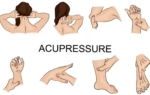


Across cultures and continents, acupressure has moved from a traditional healing practice to a mainstream wellness choice. Rooted in ancient Asian medicine, it now resonates with modern lifestyles that prioritize balance, prevention, and self-care. Its rise is not sudden—it reflects a deeper shift in how people think about health, pain management, and everyday stress.
Understanding Acupressure in Simple Terms
Acupressure is a hands-on technique that involves applying firm, targeted pressure to specific points on the body. These points are believed to correspond with internal organs and systems. Unlike acupuncture, acupressure does not use needles, making it more accessible and less intimidating for first-time users.
Practitioners and individuals alike use fingers, thumbs, palms, or specialized tools to stimulate these points, aiming to restore natural energy flow and support the body’s self-healing abilities.
The Modern Appeal of a Traditional Practice
A Natural Alternative to Medication
One of the strongest drivers behind acupressure’s popularity is the growing preference for drug-free wellness options. Many people seek relief from headaches, muscle tension, or digestive discomfort without relying on long-term medication.
Key reasons people turn to acupressure include:
- Reduced risk of side effects
- Non-invasive application
- Compatibility with other treatments
Stress Relief in a Fast-Paced World
Chronic stress has become a global health concern. Acupressure sessions are often associated with deep relaxation, helping calm the nervous system and reduce mental fatigue. Even short, self-administered routines can provide noticeable relief during busy days.
Supported by Growing Scientific Interest
While acupressure originates from traditional medicine, modern research increasingly explores its benefits. Studies have examined its role in:
- Managing chronic pain
- Reducing nausea and migraines
- Improving sleep quality
This blend of tradition and research has helped build trust among health-conscious consumers.
Accessibility and Ease of Self-Practice
Acupressure stands out because it is easy to learn and practice at home. With basic guidance, individuals can apply techniques safely without professional supervision.
Common areas people focus on include:
- Hands and wrists for stress relief
- Feet for overall balance
- Neck and shoulders for tension
This simplicity has made acupressure especially popular among office workers, travelers, and older adults.
Integration into Global Wellness Trends
The global wellness industry increasingly blends ancient practices with modern lifestyles. Acupressure is now commonly offered in:
- Spas and wellness retreats
- Yoga and meditation centers
- Corporate wellness programs
Its adaptability allows it to complement mindfulness, massage therapy, and holistic fitness routines.
Cultural Exchange and Digital Learning
Social media platforms, wellness blogs, and online courses have played a significant role in spreading awareness. Easy access to instructional content has introduced acupressure to audiences who may never have encountered it otherwise.
This digital exposure has transformed acupressure from a regional tradition into a globally shared health practice.
A Shift Toward Preventive Healthcare
Rather than waiting for illness, many people now focus on preventive well-being. Acupressure fits this mindset by encouraging regular body awareness and early intervention for minor discomforts before they escalate.
This proactive approach aligns closely with modern health philosophies centered on sustainability and long-term vitality.
Frequently Asked Questions (FAQs)
1. Is acupressure safe for everyone?
Acupressure is generally safe for most people when practiced correctly, though individuals with serious medical conditions should consult a healthcare professional first.
2. How long does it take to feel results from acupressure?
Some people experience immediate relief, while others notice gradual improvements after consistent practice.
3. Can acupressure replace medical treatment?
Acupressure is best used as a complementary approach, not a replacement for professional medical care.
4. Do I need special tools to practice acupressure?
No tools are required. Most techniques use fingers or thumbs, though optional tools can enhance comfort.
5. How often should acupressure be practiced?
It can be practiced daily or several times a week, depending on individual needs and comfort.
6. Is acupressure effective for mental health support?
Many people use acupressure to help manage stress and promote relaxation, which can support emotional well-being.
7. Can beginners learn acupressure easily?
Yes, beginners can start with simple techniques and gradually build confidence through guided resources and practice.
In a world increasingly focused on holistic health, acupressure’s blend of simplicity, tradition, and accessibility explains why it continues to gain global popularity.


