








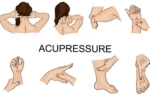


In a time when stress feels constant and rest often feels rushed, acupressure has emerged as a simple yet powerful way to restore calm. This hands-on technique, rooted in traditional healing systems, focuses on stimulating specific points on the body to encourage relaxation, balance, and mental clarity. Its growing use worldwide reflects a collective desire for natural, accessible stress-relief methods.
The Mind–Body Connection Behind Acupressure
Acupressure works on the principle that the body and mind are deeply interconnected. When tension builds up—whether emotional or physical—it can disrupt normal bodily functions. Applying pressure to targeted points helps release this buildup, allowing the nervous system to shift from a state of alertness to one of rest.
By engaging touch and awareness, acupressure encourages the body to slow down and recalibrate naturally.
How Acupressure Calms the Nervous System
Activating the Body’s Relaxation Response
Gentle, sustained pressure sends signals through the nervous system that promote relaxation. This process helps reduce the “fight-or-flight” response and supports the body’s natural “rest-and-digest” mode.
Common relaxation benefits include:
- Slower heart rate
- Reduced muscle tension
- A sense of mental ease
Releasing Built-Up Physical Tension
Daily activities such as prolonged sitting, screen use, or repetitive movements often cause tightness in the neck, shoulders, and lower back. Acupressure directly targets these areas, helping muscles soften and improving overall comfort.
As physical tension eases, mental stress often follows.
Supporting Emotional Balance and Mental Clarity
Relaxation is not only physical—it is emotional and mental as well. Acupressure encourages mindfulness by drawing attention to bodily sensations. This focus can interrupt racing thoughts and promote a grounded, present-state awareness.
Many people report:
- Improved mood
- Reduced irritability
- Enhanced ability to focus
These effects make acupressure especially valuable during periods of emotional strain or mental overload.
The Role of Breath and Touch in Relaxation
Acupressure is often combined with slow, intentional breathing, which amplifies its calming effects. The rhythm of breath paired with steady pressure helps regulate oxygen flow and encourages deeper relaxation.
Touch itself also plays a key role. Human touch has been shown to support feelings of safety and comfort, which are essential for genuine relaxation.
Easy Integration Into Daily Life
One of acupressure’s greatest strengths is its flexibility. It does not require special equipment or lengthy sessions, making it easy to incorporate into daily routines.
People commonly use acupressure:
- During work breaks to reset focus
- Before bedtime to unwind
- While traveling to ease fatigue
Even a few minutes can create noticeable shifts in how the body and mind feel.
Long-Term Relaxation Benefits
With regular practice, acupressure can help train the body to relax more easily. Over time, this may lead to:
- Better sleep patterns
- Improved stress resilience
- Greater awareness of tension signals
Rather than acting as a quick fix, acupressure supports sustainable relaxation habits that build over time.
Frequently Asked Questions (FAQs)
1. Can acupressure help with chronic stress?
Yes, regular acupressure practice can help manage ongoing stress by calming the nervous system and reducing physical tension.
2. How long should an acupressure session last for relaxation?
Sessions can last anywhere from 5 to 20 minutes, depending on individual needs and comfort.
3. Is acupressure suitable before sleep?
Many people find acupressure helpful before bedtime, as it can promote relaxation and prepare the body for rest.
4. Do I need professional training to use acupressure for relaxation?
Basic relaxation techniques can be safely practiced at home, though professional guidance may deepen understanding.
5. Can acupressure be combined with meditation or yoga?
Yes, acupressure complements both practices well and can enhance overall relaxation outcomes.
6. Are the effects of acupressure immediate?
Some individuals feel immediate calm, while others notice gradual relaxation with consistent practice.
7. Is acupressure helpful during high-anxiety moments?
It can be useful as a grounding technique, helping shift attention away from anxious thoughts and toward bodily awareness.
By engaging the body’s natural calming mechanisms, acupressure offers a practical and human-centered approach to relaxation—one that fits seamlessly into modern life while honoring time-tested wisdom.


